Showing posts with label Winter. Show all posts

Tuesday, December 16, 2014

Symptoms and Treatment of the Common Cold

The Common Cold


Around this time of year, it seems like everyone starts to come down with a cold. However, there are a lot of different ideas about what causes colds and how to treat them. The following information will help you to identify and treat the common cold.

Background


The common cold is a viral infection that causes inflammation of the upper respiratory tract. It is the most common infectious disease among people of all ages. Although the common cold is benign and self-limiting, it can lead to secondary bacterial infections.


A cold can be spread two days before the carrier is aware of any cold symptoms. Usually, transmission occurs through airborne respiratory droplets and occasionally from objects contaminated with respiratory droplets. Children serve as the main reservoir for respiratory viruses. They commonly acquire new strains from schoolmates and pass them on to family members.


Signs and Symptoms


After a 1 to 4 day incubation period, the common cold produces symptoms such as:

  • sore throat and/or pharyngitis
  • nasal congestion
  • Burning, watery eyes
  • Fever (more common in children)
  • Headache
  • Cough
  • Achiness
  • Fatigue and weakness
  • Enlarged lymph nodes
Secondary infections can result from a cold and need medical attention. A clinician should be seen if any of the following symptoms occur:


  • Chest pain that persists
  • Earache
  • Severe or long-lasting sore throat
  • Coughing up thick mucus or rust-colored sputum
Many sore throats are not serious and resolve in time. However, there are potentially serious types that require specific measures. The most potentially serious sore throat, strep throat, is fairly common. This type of pharyngitis has potential to develop into heart and/or kidney disease.

Treatment


There is no cure for a cold because it is a viral infection. Primary treatment is purely symptomatic:

1. Rest.
Plenty of rest allows the body to use the energy it needs to manufacture antibodies for killing viruses. 
2. Fluids
Increase daily fluid intake to more than 1-2 liters. Liquids are needed to thin and loosen mucus secretions. Avoid milk and soda.
3. Proper Diet
Do not "starve" a cold. Eat light, well-balanced meals.
4. Gargles
Gargle deeply to cleanse and heal the throat 2-4 times a day. Dissolve 1/4 of a teaspoon of honey in half a mug of warm water.
5. Humidifier
Cool, moist air from a humidifier helps break up congestion and thins secretions. Warm baths and showers are soothing. A hand towel wrung out with hot water and placed over the eyes and sinuses can also be soothing.

6. Medications
Pain relievers (aspirin, acetaminophen, and ibuprofen), decongestants, and cough medications can all help relieve symptoms of the common cold.

Prevention


To prevent getting sick, avoid close contact with sick people, maintain a healthy diet, and wash your hands! The proper way to wash your hands is as follows:


First, wet your hands and apply liquid or clean bar soap. Place the bar soap on a rack and allow it to drain. Next, rub your hands vigorously together and scrub all surfaces. Continue for ten to fifteen seconds. It is the soap combined with the scrubbing action that helps dislodge and remove germs. Rinse well and dry your hands with a clean towel. 


Sources:

Student Health Center. Common Cold [Brochure]. Rexburg, Idaho: Brigham Young University- Idaho
http://drkimfoster.files.wordpress.com/2011/12/common-cold.jpg
http://www.futuretimeline.net/21stcentury/images/cure-for-the-common-cold-2020-2025.jpg
http://www.teluguone.com/tonecmsuserfiles/Treatment%20of%20Common%20Colds%20in%20Children(1).jpg?__SQUARESPACE_CACHEVERSION=1349229591339
http://www.urgentcare.com/news/wp-content/uploads/2014/10/Healthy-Tips-for-Cold-and-Flu-Prevention-and-Treatment-2.jpg
http://knoxvillecpr.com/wp-content/uploads/2014/10/WASHING-HANDS.jpg




Tuesday, January 28, 2014

Winter Health and Safety

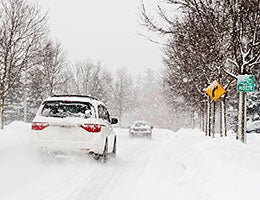
With temperatures getting dangerously low this winter, staying safe and healthy is very important. Staying indoors does not necessarily guarantee safety. Prepare your home and cars for power outages or emergencies with these tips.  Remember to also stay safe while participating in outdoor activities.

Prepare your home:

One of the most important things to do is to check your heating systems. Although many of us live in apartments and complexes maintained by a land lord, we should take initiative for our safety.
      ·          Check your Carbon Monoxide (CO) detector for working batteries. This detector
                will alert you when the deadly, odorless, colorless gas is present.
         o   Symptoms of CO poisoning: headaches, nausea and disorientation.
·         Check or ask when the last time your heating system was checked. You want to make sure it is clean, working properly, and ventilating to the outside.
·         Check your smoke detector. Batteries should be tested monthly.
·         Have a safe alternate heating source and fuels available.

Be prepared to check on family and neighbors that may be at risk from cold weather hazards. Examples are young children, older adults, and the chronically ill. Bring your pets indoors if you can’t ensure they have a warm outdoor shelter and drinking water that won’t freeze. Although pets grow a winter coat, it may not be sufficient during severe weather conditions to keep them warm.

Prepare your car:

Make sure you have the right tools in case of an emergency; whether you are traveling far or just a short distance from home, being prepared can make a world of a difference.

      ·         Service your car regularly. Make sure you check your radiator, maintain antifreeze
              levels, check tire tread and replace tires if needed with all-weather/snow tires.
      ·         Keep your gas tank full to avoid ice in the fuel lines and tank.
      ·         Use the wintertime windshield washer formula.
      ·         Organize a winter emergency kit to keep in your trunk at all times in case you
               become stranded. Include:

         o   Blankets
         o   Food and Water
         o   Booster cables, flares, tire pump, and a bag of sand or cat litter
                             (for traction)
         o   Compass and maps
         o   Flashlight, battery-powered radio, and extra batteries
         o   First-aid kit
         o   Plastic bags (for sanitation)

If you are planning on traveling by car, be sure to check the weather forecast and road conditions throughout your trip.

  •   Avoid traveling during weather advisories.
  •   Inform friends and family of the route you are planning to take and your expected time of arrival.
  •  If you become stranded:
        o   Stay in your car unless safety is less than 100yards away
                           (the length of a swimming pool) but continue to move your arms and legs.

o   Put a bright cloth on your antenna to stay visible to other travelers.

§  You can also turn on the overhead light (when the engine is running) and raise the hood of the car once the snow has stopped falling.

o   Run the engine and heat for just 10minutes at a time every hour.

o   Open a downwind window slightly open.

o   Make sure the tailpipe is not blocked.
 

Power Outages and Weather-related emergencies

Just because you are indoors doesn’t guarantee you are safe. Prepare for long stretches of power outages by doing the following:
·        Stock up on food that does not need to be cooked or refrigerated.
·        Store water in clean containers.
·        Keep your emergency kit up to date with:
o   Battery operated devices (flashlight, weather radio, and lamps)
o   Extra batteries
o   First-aid kit and extra medicine
o   Baby items
o   Cat litter or sand for icy sidewalks.

Outdoor Activities:

Spending some time outdoors during the winter months is refreshing and fun. If you are spending time doing work, traveling, or participating in sports outdoors, prepare for possible exposure to safety hazards.
      ·         Wear layers of light, warm clothing (mittens, hats, scarves, and waterproof boots)
·         Sprinkle cat litter or sand on ice patches.
·         Be aware of the wind chill factor.
·         Work slowly when doing outdoor chores.
·         Take a buddy and an emergency kit when joining in outdoor recreation.
Carry a cell phone


Related Posts

Related Posts Plugin for WordPress, Blogger...