Showing posts with label Intellectual. Show all posts

Tuesday, July 22, 2014

Running Low on Energy?


With finals coming up, you may have noticed you are feeling a lot more tired. Chances are you have been switching out sleeping time for studying time and forgetting to eat – both of which may take your stress levels to the highest they've been all semester. You are exhausted. Finals can pay a heavy toll on our health and well-being. Some people may not realize it but their feeling of fatigue may not just be from the stress of finals. The following tips are useful in identifying ways in which energy can be boosted or drained.


Reasons Your Energy May Be Low
  • You are not drinking enough water. 
  • You don't eat breakfast. There is a reason why everyone says breakfast is the most important meal of the day. When breakfast is skipped, the bodies metabolism is slow and does not get started as soon as it should. You also need to start your day by fueling up. 
  • You stay up late. It is important to have a sleep schedule in which you get adequate sleeping time.
  • You are eating too many sugars and fats.
  • You are stressed.  

Tips to Boost Your Energy
  • Get at least 7-9 hours of sleep every night.
  • Exercise at least 20 minutes a day. 
  • Keep a nutritious diet. Eat a balance of protein's, vegetables, fruits, and carbohydrates. Try to make sure your carbohydrates consists of whole wheat, whole grains, and high in fiber. 
  • Take a break from your studying for personal time. This may help in managing your stress.  
Good luck on finals and have a safe and healthy summer! 

For more tips check out our Fatigue handout by  following the link below.
BYU-Idaho Student Health Center


 Resources:
Student Health Center. (2012) "Nutrition and Hydration" Patient Education. 
Samadi, David B. (2014) "5 Habits That Are Draining Your Energy" Fox News. Retrieved from http://www.foxnews.com/health/2014/07/09/5-habits-that-are-draining-your-energy/

Tuesday, May 27, 2014

Early Physical Exercise and it's Influences Later in Life


We all dread getting old. Your body begins to fall deteriorate, your mobility is lessened, and your mind slowly fades. What if you could prevent this or at least slow down the process significantly? You may not realize it, but the physical fitness that you do today not only affects your life right now, but will make a significant difference in the way you age. The more physical we are now, the better physical health we will have later on in our life. As we exercise more, our body and immune system will get stronger and function more properly. If we develop habits now, to stay physically active, the chances that we will continue those habits into later adulthood and old age are significantly higher than if we live a sedentary life during our twenties. In recent studies, it has been found that having early fitness can improve our middle age brain (NY times).

As people reach middle age it becomes more frequent to forget names, certain words, or where they left their keys. These midlife experiences strike people later or earlier than others. While it is known that genetics play a role in this, the idea of physical activity and it influence has always been unclear until recently. Dr. David R. Jacobs has just now concluded after a study that the ability to think well during your middle age depends on a large degree of your lifestyle as a young adult. "It looks like the roots of cognitive decline go back decades," said Dr. Jacobs. With that in mind think to yourself: how active are you? Are you living a physically active lifestyle or significantly sedentary? To help see how you compare to others your age here are some ways in which to compare your physical physique with others your age.

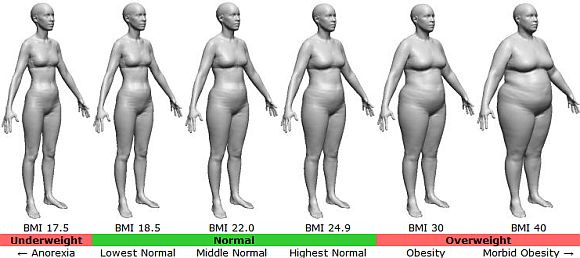
Body Mass Index  

Body Mass Index (BMI) is calculated from a person's weight and height. BMI is a somewhat reliable way to calculate an accurate body fat percentage. It is not as accurate as other methods, but this gives you an idea as to where you fall under. Your BMI is calculated using the following formula:
weight(kg) / (height(m) x height(m))
When you calculate your BMI, you can compare it to the chart according to your gender to see where you lie with the rest of the general population.                                                                                                                               


BMI
Weight Status
Below 18.5Underweight
18.5 – 24.9Normal
25.0 – 29.9Overweight
30.0 and AboveObese


Measurement Units
Formula and Calculation
Kilograms and meters (or centimeters)Formula: weight (kg) / [height (m)]2
With the metric system, the formula for BMI is weight in kilograms divided by height in meters squared. Since height is commonly measured in centimeters, divide height in centimeters by 100 to obtain height in meters.
Example: Weight = 68 kg, Height = 165 cm (1.65 m)
Calculation: 68 ÷ (1.65)2 = 24.98
Pounds and inchesFormula: weight (lb) / [height (in)]2 x 703
Calculate BMI by dividing weight in pounds (lbs) by height in inches (in) squared and multiplying by a conversion factor of 703.
Example: Weight = 150 lbs, Height = 5'5" (65")
Calculation: [150 ÷ (65)2] x 703 = 24.96

How does your physical ability compare?

The Presidents Test consists of varied physical challenges that you can complete. By comparing your time or amount completed you can see how you compare to the general population. 

Follow the link below with the following information to see what percentile you fall under. 
PERSONAL INFORMATION
  1.  
  2. Gender *
  3.   yrs
AEROBIC FITNESS
Must enter either a 1-mile walk time and heart rate or enter a 1.5-mile run time.
  1. 1-Mile Walk Time     beats per minute
      lbs * required for result calculation
  2. OR
  3. 1.5-Mile Run Time   
MUSCULAR STRENGTH
  1.   (in one minute)
  2.  
FLEXIBILITY
  1.  inches
BODY COMPOSITION

BMI/BODY MASS INDEX

  1. Enter height in feet AND inches. Enter all fields for a calculation.
    Height   
  2.   lbs
  3.   inches


Resources:
http://well.blogs.nytimes.com/2014/05/07/a-fit-body-at-25-a-fit-brain-at-50/?module=BlogPost-Title&version=Blog%20Main&contentCollection=Phys%20Ed&action=Click&pgtype=Blogs&region=Body
http://www.cdc.gov/healthyweight/assessing/bmi/adult_bmi/
https://www.presidentschallenge.org/challenge/physical/benchmarks.shtml
Google Images

Tuesday, May 20, 2014

Waking Up to the Importance of Sleep


You may not realize it, but sleep plays an essential role in wellness. It is important that you understand the benefits of sleep, as it affects all levels of wellness.

What is a Proper Nights Rest?
It is recommended that adults between the ages of 18-60 get between 7-9 hours of sleep every night. 

Why is it so Important?
Not getting enough rest on a nightly basis can take a heavy toll of your health. Studies have suggested that insufficient sleep is linked to chronic diseases, such as: cardiovascular disease, obesity, and depression (Message Today). Getting enough is crucial in sustaining a person’s overall health and wellness. 

Helpful Tips for Sleeping


Personal Habits: 

  • Set a bedtime and an awakening time. Try to be consistent with the bed time and awakening time. The body "gets used" to falling asleep at a certain time. 
  • Avoid napping during the day. If you nap, limit naps to no longer than 30-45 minutes before 3 pm. 
  • Avoid caffeine 4-6 hours before your bedtime. This includes caffeinated beverages such as coffee, tea, and soda. 
  • Avoid heavy, spicy, or sugary foods 4-6 hours before bedtime. These can affect your ability to stay asleep. 
  • Exercise regularly, but not right before bed. Regular exercise, particularly in the morning or afternoon, can help deepen sleep. However, do not exercise less than 3 hours before you plan to go to bed. Your body is more active after exercise and it can make sleep more difficult. 
  • Avoid electronics at least twenty minutes before you go to bed. 
Environment: 

  • Use comfortable bedding. This is often a source of sleep deprivation. Sleeping on your side with a pillow between your legs has been shown to relieve back pressure and help to create/maintain a comfortable sleep position. 
  • Make sure the temperature is moderate and the room is well ventilated. This will aide in your ability to relax and breathe calmly. Additionally, a comfortable temperature can prevent the body from becoming too hot or too cold during the night. 
  • Reserve space for sleep. You shouldn't use the bed for an office, for reading, or for watching TV. 
  • Block out excess noise. Use white noise generators like a fan or soft radio music to block out ambient noise.
Getting ready for bed:

  • Establish a pre-bed routine. These could include reading, washing your face and writing down things you are grateful for. 
  • Don't take your worries to bed. Write down your concerns or stressors and remove them from you mind for a period of time. 
  • Try a light snack before bed. Some good choices would be a warm beverage and/or light snack such as a banana or a piece of toast. 
  • Practice relaxation methods. Try meditation, deep breathing techniques, or stretching routines prior to sleeping. 


Sweet dreams and happy sleeping!


Resources:
BYU-Idaho Health Center Patient Education Packet
http://www.massagetoday.com/mpacms/mt/article.php?id=14508

Friday, April 4, 2014

Preparing for Finals Week


It’s that time of the semester again. It’s finals week! Staying healthy during this week is pivotal for students to work optimally. With scheduled finals throughout the week, clean checks, and the hassle of moving out, students are pushing their body’s to the limit. There are some very important things to remember that will help keep you feeling great until the very end of the semester.

Sleep

Adults between the ages of 18-60 are recommended to get 7-9 hours of sleep each night. Lack of sleep has been associated with many chronic diseases like diabetes, such as: high blood pressure and heart disease. Getting sufficient sleep nightly is crucial for maintaining your overall health and wellness.

Memory recall and concentration improve the more an individual is rested. Sleep deprivation affects not only your energy level and mood, but also your ability to concentrate, learn, and focus. Concentration, energy, and mood are correlated with your academic performance, which is extremely important.

What to do:

  • Get 8-9 hours of sleep nightly
  • Study during optimal brain function periods, which are usually from 6-8pm (early afternoons are times of least alertness).
  • Don’t overuse caffeinated drinks. The caffeine will remain in your system anywhere around 6-8hours.

Exercise
          
            Exercise is good for your health in more ways than one. It helps to reduce stress and better maintain overall mental health. It also helps you to engage in more restful sleep.
            At Naperville Central High School, in Chicago, IL, research was done on students that struggled with math and reading. An exercise program was implemented, and revealed that those who did some sort of exercise for 30minutes were 10% better at problem solving.

What to do:

  •             Block out 20-60minutes you can dedicate to exercise 3-5 days a week.
  •             Get your heart elevated to about 60-80% your maximum heart rate. (Calculated by subtracting your age from 220)
  •             Stretch for 10 minutes three times a week.
  •             Do some push-ups or jumping jacks before starting your studying or test.


Get Your Nutrients

A study done at the College of North Tripura revealed that, “the nutritional status of college students has a definite relationship with his/her academic achievement.” Additionally, the study revealed that consumption levels of fat were stongly correlated with academic achievement. This could be due to the fact that fat is crucial to neuronal circuitry. Vitamin C, Vitamin A, Riboflavin, and Thiamine have the strongest correlation with academic status respectively. These vitamins all play a part in neuronal development, connectivity, and signal processing and transmission.


Include in your diet foods that are:
  • Rich in Vitamin C: oranges, berries, cabbage, kiwi, pineapple, potatoes and salad greens.
  • Rich in Vitamin A: sweet potato, carrots, squash, cantaloupe, and sweet red peppers.
  • Foods that contain Riboflavin: soybeans, spinach, yogurt, almonds, mushrooms, and eggs.
  • Foods that contain Thiamine: navy/black beans, barley, dried peas, green peas, pinto beans, oats and lentils.


Tuesday, March 18, 2014

Adults and Vaccines: You Still Need Them

 
                Can you remember the last time you got a vaccine? This may be an indicator that you are due for some boosters. The CDC recommends that adults between the ages of 19-64 receive a seasonal flu vaccine, and boosters for Tdap, Hep A, Hep B, HPV, Meningitis, Pneumococcal, and shingles vaccines. According to the CDC, only 1 out of 5 adults are receiving their pneumococcal and shingles vaccines. Additionally, only 1 out of 6 received their Tdap vaccine within 7 years to protect against tetanus, diphtheria, and pertussis (whooping cough).

      So why should you get these vaccines? Here are just a few reasons why.

  • High risk- Many diseases like influenza, and pertussis are common in the US, and can spread easily. This is especially the case in schools and densely populated places.
  • Complications- If you have a chronic health condition or weakened immune system, you may be at risk for complications from vaccine preventable diseases. Some examples of complications are long-term illness, hospitalization, or even death.
  • Spreading Disease- Most vaccine preventable diseases are contagious like the flu, meningitis, and whooping cough. Getting your recommended vaccines will help stop the spread of these diseases.
  • Protection- When you get your vaccine you are not only protecting yourself, but others as well. Many people that cannot receive these vaccines, due to medical conditions like pregnancy or cancer treatment. This also helps in protecting newborns, who are very vulnerable to these diseases but are too young to be vaccinated.
  • Missing work/school- Vaccines help keep you healthy and reduce the chance of missing work or school. Many of us have tentative schedules and cannot afford to be absent from work or class.
  • Missing out- Spending time with family, friends and hobbies can be significantly reduced if you’re in bed sick.
  • Price- Being sick costs money. You’ll have to take into consideration medical visits, treatments, time off work or school, and traveling to healthcare providers.
  • Traveling- If your job entails traveling internationally or you just love to travel, this puts you at risk for certain diseases. If you are traveling internationally make sure to get traveling advice. You may need additional vaccines.
  • Peace of mind- Knowing that you've been vaccinated before a disease becomes an outbreak in your area can put your mind at ease. You don’t want to be caught in the mess of sickness.
  • Feeling Healthy- There are more than a handful of diseases that you can be protected against with a simple vaccine. 
       You can get your vaccines at your doctor’s office, health departments, pharmacies, and some workplaces even offer them. Don’t let something as easy as a vaccine pass you by. Get vaccinated!

Tuesday, January 28, 2014

Winter Health and Safety

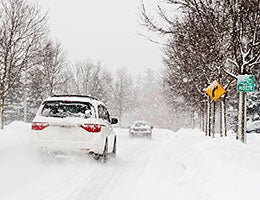
With temperatures getting dangerously low this winter, staying safe and healthy is very important. Staying indoors does not necessarily guarantee safety. Prepare your home and cars for power outages or emergencies with these tips.  Remember to also stay safe while participating in outdoor activities.

Prepare your home:

One of the most important things to do is to check your heating systems. Although many of us live in apartments and complexes maintained by a land lord, we should take initiative for our safety.
      ·          Check your Carbon Monoxide (CO) detector for working batteries. This detector
                will alert you when the deadly, odorless, colorless gas is present.
         o   Symptoms of CO poisoning: headaches, nausea and disorientation.
·         Check or ask when the last time your heating system was checked. You want to make sure it is clean, working properly, and ventilating to the outside.
·         Check your smoke detector. Batteries should be tested monthly.
·         Have a safe alternate heating source and fuels available.

Be prepared to check on family and neighbors that may be at risk from cold weather hazards. Examples are young children, older adults, and the chronically ill. Bring your pets indoors if you can’t ensure they have a warm outdoor shelter and drinking water that won’t freeze. Although pets grow a winter coat, it may not be sufficient during severe weather conditions to keep them warm.

Prepare your car:

Make sure you have the right tools in case of an emergency; whether you are traveling far or just a short distance from home, being prepared can make a world of a difference.

      ·         Service your car regularly. Make sure you check your radiator, maintain antifreeze
              levels, check tire tread and replace tires if needed with all-weather/snow tires.
      ·         Keep your gas tank full to avoid ice in the fuel lines and tank.
      ·         Use the wintertime windshield washer formula.
      ·         Organize a winter emergency kit to keep in your trunk at all times in case you
               become stranded. Include:

         o   Blankets
         o   Food and Water
         o   Booster cables, flares, tire pump, and a bag of sand or cat litter
                             (for traction)
         o   Compass and maps
         o   Flashlight, battery-powered radio, and extra batteries
         o   First-aid kit
         o   Plastic bags (for sanitation)

If you are planning on traveling by car, be sure to check the weather forecast and road conditions throughout your trip.

  •   Avoid traveling during weather advisories.
  •   Inform friends and family of the route you are planning to take and your expected time of arrival.
  •  If you become stranded:
        o   Stay in your car unless safety is less than 100yards away
                           (the length of a swimming pool) but continue to move your arms and legs.

o   Put a bright cloth on your antenna to stay visible to other travelers.

§  You can also turn on the overhead light (when the engine is running) and raise the hood of the car once the snow has stopped falling.

o   Run the engine and heat for just 10minutes at a time every hour.

o   Open a downwind window slightly open.

o   Make sure the tailpipe is not blocked.
 

Power Outages and Weather-related emergencies

Just because you are indoors doesn’t guarantee you are safe. Prepare for long stretches of power outages by doing the following:
·        Stock up on food that does not need to be cooked or refrigerated.
·        Store water in clean containers.
·        Keep your emergency kit up to date with:
o   Battery operated devices (flashlight, weather radio, and lamps)
o   Extra batteries
o   First-aid kit and extra medicine
o   Baby items
o   Cat litter or sand for icy sidewalks.

Outdoor Activities:

Spending some time outdoors during the winter months is refreshing and fun. If you are spending time doing work, traveling, or participating in sports outdoors, prepare for possible exposure to safety hazards.
      ·         Wear layers of light, warm clothing (mittens, hats, scarves, and waterproof boots)
·         Sprinkle cat litter or sand on ice patches.
·         Be aware of the wind chill factor.
·         Work slowly when doing outdoor chores.
·         Take a buddy and an emergency kit when joining in outdoor recreation.
Carry a cell phone


Related Posts

Related Posts Plugin for WordPress, Blogger...