Showing posts with label Safety. Show all posts

Tuesday, December 16, 2014

Symptoms and Treatment of the Common Cold

The Common Cold


Around this time of year, it seems like everyone starts to come down with a cold. However, there are a lot of different ideas about what causes colds and how to treat them. The following information will help you to identify and treat the common cold.

Background


The common cold is a viral infection that causes inflammation of the upper respiratory tract. It is the most common infectious disease among people of all ages. Although the common cold is benign and self-limiting, it can lead to secondary bacterial infections.


A cold can be spread two days before the carrier is aware of any cold symptoms. Usually, transmission occurs through airborne respiratory droplets and occasionally from objects contaminated with respiratory droplets. Children serve as the main reservoir for respiratory viruses. They commonly acquire new strains from schoolmates and pass them on to family members.


Signs and Symptoms


After a 1 to 4 day incubation period, the common cold produces symptoms such as:

  • sore throat and/or pharyngitis
  • nasal congestion
  • Burning, watery eyes
  • Fever (more common in children)
  • Headache
  • Cough
  • Achiness
  • Fatigue and weakness
  • Enlarged lymph nodes
Secondary infections can result from a cold and need medical attention. A clinician should be seen if any of the following symptoms occur:


  • Chest pain that persists
  • Earache
  • Severe or long-lasting sore throat
  • Coughing up thick mucus or rust-colored sputum
Many sore throats are not serious and resolve in time. However, there are potentially serious types that require specific measures. The most potentially serious sore throat, strep throat, is fairly common. This type of pharyngitis has potential to develop into heart and/or kidney disease.

Treatment


There is no cure for a cold because it is a viral infection. Primary treatment is purely symptomatic:

1. Rest.
Plenty of rest allows the body to use the energy it needs to manufacture antibodies for killing viruses. 
2. Fluids
Increase daily fluid intake to more than 1-2 liters. Liquids are needed to thin and loosen mucus secretions. Avoid milk and soda.
3. Proper Diet
Do not "starve" a cold. Eat light, well-balanced meals.
4. Gargles
Gargle deeply to cleanse and heal the throat 2-4 times a day. Dissolve 1/4 of a teaspoon of honey in half a mug of warm water.
5. Humidifier
Cool, moist air from a humidifier helps break up congestion and thins secretions. Warm baths and showers are soothing. A hand towel wrung out with hot water and placed over the eyes and sinuses can also be soothing.

6. Medications
Pain relievers (aspirin, acetaminophen, and ibuprofen), decongestants, and cough medications can all help relieve symptoms of the common cold.

Prevention


To prevent getting sick, avoid close contact with sick people, maintain a healthy diet, and wash your hands! The proper way to wash your hands is as follows:


First, wet your hands and apply liquid or clean bar soap. Place the bar soap on a rack and allow it to drain. Next, rub your hands vigorously together and scrub all surfaces. Continue for ten to fifteen seconds. It is the soap combined with the scrubbing action that helps dislodge and remove germs. Rinse well and dry your hands with a clean towel. 


Sources:

Student Health Center. Common Cold [Brochure]. Rexburg, Idaho: Brigham Young University- Idaho
http://drkimfoster.files.wordpress.com/2011/12/common-cold.jpg
http://www.futuretimeline.net/21stcentury/images/cure-for-the-common-cold-2020-2025.jpg
http://www.teluguone.com/tonecmsuserfiles/Treatment%20of%20Common%20Colds%20in%20Children(1).jpg?__SQUARESPACE_CACHEVERSION=1349229591339
http://www.urgentcare.com/news/wp-content/uploads/2014/10/Healthy-Tips-for-Cold-and-Flu-Prevention-and-Treatment-2.jpg
http://knoxvillecpr.com/wp-content/uploads/2014/10/WASHING-HANDS.jpg


Tuesday, November 18, 2014

What You Need to Know About Ebola

Everything You Need to Know About Ebola


The Ebola outbreak of 2014 is the largest in history, and there have been confirmed cases in the United States. About half of the people who have been diagnosed with Ebola in this outbreak have died, making it all the more important for you to know what you're dealing with.

The following are some important items of information that you need to know about the Ebola virus.

1. A person infected with Ebola can't spread the virus until symptoms appear. 
The incubation period for Ebola is, on average, 8 to 10 days. Signs and symptoms include: fever, severe headache, muscle pain, vomiting, diarrhea, stomach pain, or unexplained bleeding or bruising.

2. Ebola is spread through direct contact with bodily fluids. 
Bodily fluids including urine, feces, saliva, vomit, blood, and sweat, are the means by which Ebola is spread. Objects, like needles, that have been contaminated by these fluids are also a source of infection. Ebola is NOT spread through air, water or food.

3. There is currently no vaccine available to protect against Ebola. However, there are some things you can do to prevent infection:

  • Wash hands often with soap and water or an alcohol-based hand sanitizer.
  • Do not touch the bodily fluids of a person who is sick.
  • Do not come into contact with items that have been touched by a sick person's blood or bodily fluids.
  • Don't touch the body of someone who has died of Ebola
4. You may be at risk for Ebola if you have traveled to an area with an Ebola outbreak and:

  • Had direct contact with blood or bodily fluids or items that came into contact with blood or bodily fluids of a person infected with Ebola.
  • Touched bats or nonhuman primates (like apes or monkeys) or blood, fluids, or raw meat prepared from these animals.
  • Went into hospitals where Ebola patients were being treated and had close contact with these patients. 
  • Touched the body of a person who died of Ebola.*
If any of these points applies to you, you should check for signs and symptoms of Ebola for 21 days. Do this by taking your temperature, watching for other symptoms (listed above). Get medical care right away if you have a fever or any other of the signs and symptoms listed above. Be sure to call and explain your travel history BEFORE you go to the doctor's office or emergency room.

5. Despite what you may think or hear, U.S. hospitals and authorities are equipped to handle Ebola. They have the ability to identify exposed people and take the necessary steps to avoid spreading the virus further. Though even a single case of this highly dangerous virus is considered a threat, it is unlikely that this outbreak will turn into an Ebola epidemic.


*list taken directly from the CDC website


Sources:

http://www.cdc.gov/vhf/ebola/pdf/what-need-to-know-ebola.pdf
http://www.berkeleywellness.com/healthy-community/contagious-disease/slideshow/10-ebola-myths-discounted
http://i.huffpost.com/gen/2097108/thumbs/o-EBOLA-VIRUS-facebook.jpg


Tuesday, October 14, 2014

Why You Should Wash Your Produce

3 Reasons You Should Wash Your Produce


We've all taken a bite out of that shiny apple, thinking it was probably clean enough without washing. However, there are a few reasons why you should think twice before chomping down on some unwashed produce. Here are three reasons why you should wash your produce before eating it:

1. Pesticides


Eating certain fruits and vegetables can expose you to up to 14 different pesticides per day on average. Prolonged exposure to pesticides can lead to chronic health problems, and children are especially susceptible. Limiting your family's exposure by washing your produce thoroughly can reduce the risk of damaging your health.

2. Food Borne Illnesses


There are all kinds of food borne illnesses that we can protract from our food. It doesn't just have to be raw chicken to house bacteria. You should always be cautious before putting food in your mouth. With salmonella, staphyloccocus aureus, and E. coli out there to take our bodies by storm, it's important to practice proper food hygiene.

3. Dirt!


It may go without saying, but our produce is dirty! Have you ever opened up a head of lettuce to find dirt, gravel, and even dead bugs inbetween the leaves? A lot of our produce comes from the ground, and the ground is dirty. This means that the fruits and vegetables that we eat that come with a layer of dust, mud, or whatever else they were pulled up with (including insects). If you have a problem with eating dirt and bugs, it is probably a good idea to wash your produce.

The Proper Way to Wash Your Produce (from FDA.gov):

"Wash all produce thoroughly under running water before eating, cutting or cooking. This includes produce grown conventionally or organically at home, or purchased from a grocery store or farmer's market. Washing fruits and vegetables with soap or detergent or using commercial produce washes is not recommended. Scrub firm produce, such as melons and cucumbers, with a clean produce brush. Dry produce with a clean cloth towel or paper towel to further reduce bacteria that may be present."


Sources:

http://www.livhealthy.tv/articles.php?action=view&articleID=Why_You_Should_Wash_Your_Fruits_and_Vegetables
http://s.doctoroz.com/styles/720x480/s3/sites/default/files/media/image_thumb/tomato-wash-sink-720.jpg?itok=dcTCiA9v
http://www.toxicsaction.org/problems-and-solutions/pesticides
http://www.growswitch.com/blog/wp-content/uploads/pesticides.jpg
http://www.goodhousekeeping.com/cm/goodhousekeeping/images/removing-skin-from-raw-chicken-1-ghv-325-62348184.jpg
https://blogger.googleusercontent.com/img/b/R29vZ2xl/AVvXsEgEpY0hZ7Byrh1_XxMg7Rtn5pztmBXMXoseINJu6NJB1nA-1KgWSney7wP_YViLcCuPFipBMdgvV7coivZEH5DKLuscErZ4aVqpNck4cvsOrQE_KHx7pChDTBoNgPfqrnlggfi-82KNpOY/s1600/dirty+potatoes.jpg

Tuesday, July 15, 2014

Proper Treatment of a Blister


Now that it is summer, you may be changing your activities and shoes. With the nice warm weather and clear roads you may find yourself going on hikes or exercising outside more often. Along with the warm weather we tend to shed our sturdy, comfortable, and supporting boots and shoes for flats, sandals, and flip flops. Which ever the case, you may find yourself developing blisters on your feet at some point this summer. Blisters caused by rubbing of shoes often does not need to be seen by a doctor, and home first aid is all that is needed. But like ticks, bee stings, and nose bleeds everyone has their own treatment whether it is to correct procedure or not. So here are some basic guidelines for proper blister care. 

Proper Blister First AID

  • To prevent a blister from forming or getting worse make sure you wear shoes that are comfortable and do not rub your skin. Make sure to wear multiple layers of socks when hiking. 
  •  If you begin to feel a spot on your skin getting hot or sore be sure to put a band aid, duct tape, or moleskin on the irritated area to prevent the blister from getting bigger.
  • Try to avoid draining a blister. This will keep it from getting infected and it will heal on its own. 
  • If the blister is large or causes pain/discomfort your can drain the fluid. To drain the fluid take a needle that has been dipped in alcohol and puncture the edge of the blister. Press the fluid toward the hole and let the fluid drain out. After removing fluid wipe the area clean leaving the skin and put a protective bandage over the area. 
  • If you are diabetic, have HIV, cancer, or heart disease do not drain blister due to the raised risk of infection. 
  • If blister a blister becomes infected with signs and symptoms of pus, increased pain, or fever consult with a medical provider. 
For more information on Blisters follow the link to our web page: 
Resources:
Health Wise (2012). "Blisters-Home Treatment". WebMD. Retrieved from 
http://www.webmd.com/skin-problems-and-treatments/tc/blisters-home-treatment

Tuesday, June 24, 2014

Safe Exercise Strategies


Now that summer is almost here, people are getting out and exercising more often. Exercise can have substantial health benefits, such as prolonging our lives, improving our immune system, and boosting our energy. While exercise is good for us it can be harmful if not done correctly. No matter if you are a recent participant in exercise or a master athlete, there will always be risk for injury. When faced with a goal or deadline that is near, we often push ourselves too hard or fast, which can potentially result in injury. While there will always be a risk for injury, you can still take precautions to prevent them from happening.

Tips for Preventing Injury

  1. Set Realistic Goals: You cannot lose fifty pounds in two weeks, so set goals that challenge but can actually be achieved.Additionally, be specific with your goals instead of being vague or unclear. Eg: “I plan to run a mile in less than seven minutes this week.” instead of “I want to improve my mile time.”
  2. Don't Overdo It: This most common cause of injury is pushing yourself too much. Instead of just jumping in a lifting 150 lbs, work your way up to it. Start at a low intensity and gradually increase it with each workout.Use the 10% rule when working out—do not increase your training load such as time, intensity, or distance by more than 10% each week
  3. Pay Attention to any Pain: "Feel the burn, love the burn", "no pain, no gain" we often hear these said while working out and while we should feel some burning and maybe slight pain while working out pay attention. If the pain is continuous or occurs in the chest of neck area this is not beneficial. General muscle soreness is fine but it may indicate that you are not warming up sufficiently or you are exercising too long/strenuously. 
  4. Control Your Movements: Keep you movements under control. Anything that is rapid or jerky movement can result in an unwanted injury. If you cannot keep control of your movements, slow things down and exercise at a more moderate pace. 
  5. Watch Your Form: Poor form and posture during a specific exercise can result in a torn or strained muscle along with damage to your joints.By keeping your back aligned and straight, knees at the correct angle for movements, and tucking your buttocks, you can prevent injury. These are most important if lifting above your head, jumping, or squatting.   
  6. Don't Bounce While Stretching: "Ballistic" stretching  is when you bounce in and out of a stretched position. While it is thought to be beneficial to your flexibility, it can also increase your chance of muscle tears and soreness. Switch out ballistic for static stretches to prevent these injuries. Static stretching, in which you gradually stretch to a full range of movement, will help loosen muscles without straining them. 
    It is also important to warm up before you start stretching. This can be done with a brisk walk or light jog.

     
  7. Use Good Footwear: Wearing improper shoes that are worn out, do not fit right, or provide no support can add stress to your hips, ankles, and feet. This is where the majority of sports injuries occur. Choose shoes that are fitted to you and replace them when they become worn out. 
  8. Go Low Impact: Try to stick with the gliding or marching motion that is not as hard on your joints versus the jolting up and down movements. This can protect your back, calves, shins, ankles, and knees from injury.  
  9. Drink Up: Keep hydrated and replace any fluids that you may have lost during a workout. If your are working out in any hot weather this is especially  important to keep from over heating. Heatstroke can be extremely dangerous. Even if you are not thirsty try to drink a gulp or two of water in between intervals.  


References:
http://www.berkeleywellness.com/fitness/injury-prevention/slideshow/9-safe-exercise-strategies

Tuesday, June 3, 2014

Environmental Health


Smog, acid rain, a fading ozone layer, air pollution, water pollution: these all take a heavy toll on our environment and our health. Your environment plays a significant role in your health and well-being. However, in order to guarantee that it will have a positive effect on us, we need to make sure that our environment is healthy. Some common conditions and diseases that are influenced by our environment are asthma, cancer, and lung disease. Sometimes in order to take care of ourselves we need to take care of our environment to guarantee a healthy lifestyle. There are many ways in which we can do this such as recycling, going green, or reusing. At home most of us probably have some system of recycling and access to green products. But when we come to school, it gets a little trickier. A lot of the time environmentally safe products are more expensive and access to recycling is limited. As students, our funds are small and our access is limited. But here are some ways in which you can still continue to live a more environmentally conscious life while not making life inconvenient or financially straining.

Reduce

Here are some simple things you can do to reduce your consumption: 
  • Turn off lights when leaving the room.
  • Open the blinds during the day and leave the lights off. Take advantage of the daylight to lighten your home or apartment. 
  • Instead of getting bottled water use a reusable water bottle that you can refill. If you do not like tap water or do not have a water filter try to buy large 5 gallon jugs to avoid the excess amounts of plastic that individual bottles create. Not only will this create less plastic waste but it will be cheaper as well. 
  • Try to walk or bike as much as you can or car pool when traveling long distances. 
  • For new parents use cloth diapers instead of disposable diapers. 
  • Unplug electronics when you are not using them or when they are fully charged. 
  • Eat at home more often. This will reduce the amount of garbage along with save you money. 
  • Turn off the water while brushing your teeth except when rinsing. 

Reuse/ Alternatives


  • Make your own cleaning products not only does this reduce but it can also prevent more harmful chemicals from getting into the environment. Vinegar, baking soda, and salt are all great cleaners as well as eco-friendly. 
  • Get the most out of your food. Some products such as lemons can be used as effective deodorizers and cleaners by using the discarded peel. 
  • Start a compost and use it for fertilizer for a garden. 

Recycle


If you have not noticed yet, the BYU-Idaho campus is very environmentally friendly. All over campus and in every building there are recycling unit drop offs where paper, cans, and card board can be recycled. All thought these containers are not great for large drop offs they are equipped to take small amounts of recycling. Just bring your recycling with you on your way to class and just drop it off at the recycling drop off. They are usually located near the entrance of each building. For large amounts of recycling you can easily take a short trip to the nearest recycle drop offs located in Rexburg. These drop offs can be found in the Walmart front parking lot, Broulims back parking lot, Madison middle school parking lot, or Madison high school parking lot. 
Things that can be recycled: 
  • #1 plastics (water, soda, cooking oil, and salad dressing bottles)
  • #2 plastics (shampoo bottles, milk jugs, and plastic grocery bags)
  • Aluminum cans (aluminum cans only)
  • Office pack (printer and notebook paper, envelopes, and manila folders)
  • Newspaper / catalogs (newspapers, magazines, phone books, and catalogs)
  • Corrugated cardboard (corrugated cardboard only)
Tips for when you are recycling: 
  • Rinse out all containers. 
  • Smash or crush containers so that they take up less space.
  • Get small bins to collect and separate different recyclables. This will both make things easier and faster when it comes time to drop off your recyclables. 

Resources:
http://www.niehs.nih.gov/health/topics/
http://resident.rexburg.org/index.aspx?nid=234
  

Tuesday, March 18, 2014

Adults and Vaccines: You Still Need Them

 
                Can you remember the last time you got a vaccine? This may be an indicator that you are due for some boosters. The CDC recommends that adults between the ages of 19-64 receive a seasonal flu vaccine, and boosters for Tdap, Hep A, Hep B, HPV, Meningitis, Pneumococcal, and shingles vaccines. According to the CDC, only 1 out of 5 adults are receiving their pneumococcal and shingles vaccines. Additionally, only 1 out of 6 received their Tdap vaccine within 7 years to protect against tetanus, diphtheria, and pertussis (whooping cough).

      So why should you get these vaccines? Here are just a few reasons why.

  • High risk- Many diseases like influenza, and pertussis are common in the US, and can spread easily. This is especially the case in schools and densely populated places.
  • Complications- If you have a chronic health condition or weakened immune system, you may be at risk for complications from vaccine preventable diseases. Some examples of complications are long-term illness, hospitalization, or even death.
  • Spreading Disease- Most vaccine preventable diseases are contagious like the flu, meningitis, and whooping cough. Getting your recommended vaccines will help stop the spread of these diseases.
  • Protection- When you get your vaccine you are not only protecting yourself, but others as well. Many people that cannot receive these vaccines, due to medical conditions like pregnancy or cancer treatment. This also helps in protecting newborns, who are very vulnerable to these diseases but are too young to be vaccinated.
  • Missing work/school- Vaccines help keep you healthy and reduce the chance of missing work or school. Many of us have tentative schedules and cannot afford to be absent from work or class.
  • Missing out- Spending time with family, friends and hobbies can be significantly reduced if you’re in bed sick.
  • Price- Being sick costs money. You’ll have to take into consideration medical visits, treatments, time off work or school, and traveling to healthcare providers.
  • Traveling- If your job entails traveling internationally or you just love to travel, this puts you at risk for certain diseases. If you are traveling internationally make sure to get traveling advice. You may need additional vaccines.
  • Peace of mind- Knowing that you've been vaccinated before a disease becomes an outbreak in your area can put your mind at ease. You don’t want to be caught in the mess of sickness.
  • Feeling Healthy- There are more than a handful of diseases that you can be protected against with a simple vaccine. 
       You can get your vaccines at your doctor’s office, health departments, pharmacies, and some workplaces even offer them. Don’t let something as easy as a vaccine pass you by. Get vaccinated!

Tuesday, February 18, 2014

Tinnitus: Preventing Hearing Damage

 
Picture displays inner ear hair cells.

Tinnitus

Have you ever heard of Tinnitus? Tinnitus is defined as a ringing, whistling, chirping, hissing, humming, roaring, and constant buzzing or even shrieking in the ears. High-pitched sounds indicate hearing loss is in the high-frequency range and low-pitched sounds indicate the opposite. You are often the only one who can hear these differently pitched noises. This experience is most often brought on by damaged hair cells from loud noises or ototoxic drugs. When damaged, hair cells are prevented from sending signals to the brain, which triggers abnormal neuron activity and results in the illusion of sound, or tinnitus.

Tinnitus can be short lived or it can be long lasting (more than 6 months). In the United States alone, an estimated 50-60million people suffer from this condition. It is highly prevalent among people over the age of 55 and is strongly correlated with hearing loss. However, after individuals experience this hearing loss, it rarely leads to deafness.

 Pulsatile tinnitus is the medical phenomenon in which the heartbeat can be ‘heard’ by individuals. This is usually noticed in the evening, as more blood reaches your head when you lay down. In this case you may be able to hear turbulent blood flowing through the arteries. If you experience new pulsatile tinnitus, you should talk with your healthcare provider to rule out any underlying, but rare causes like tumors or blood vessel damage.

What you can do to prevent tinnitus:


  • Improve your diet, physical activity, sleep, and stress level.
  • Get treated for depression, anxiety, insomnia, and pain with medications and/or psychotherapy.
  • Reduce your exposure to loud noises at work and home.
  • Use earplugs or earmuff-like devices to protect your hair cells.
  • Avoid loud music; if you are 3 feet away from someone and can’t hear what they say, that means you are damaging your hair cells.
  • This includes when you are wearing headphones. You should still be able to hear others speaking around you.
Fun Fact: When noise level increases from 90db to 100db the volume seems twice as loud!
Remember, once hair cells are damaged they’re gone. They cannot be repaired, so treat your ears like the precious organs they are!
Watch this video to learn more about sound: 
Resources:

Thursday, February 6, 2014

Back Pain and Posture


Did you know that having bad posture can lead to back pain? Large muscles in our back and  other postural muscles help us keep our bodies upright. However, bad posture over an extended period of time can lead to back pain. It will take a conscious effort to correct.  
Some factors that may affect your posture are: stress, obesity, pregnancy, weak postural muscle, or having abnormally tight muscles. Additionally, high heeled shoes, a poor work environment, and decreased flexibility can affect your posture. Any of these factors can contribute to excessive strain on postural muscles or cause them to relax, which makes you prone to injury or back pain. It is critical to maintain a good posture wherever you are. This involves having adequate flexibility, normal joint motion in the spine, and balanced postural muscles on both sides of the spine.
           Good posture involves having adequate muscle flexibility and strength, normal joint motion in the spine, and balanced postural muscles on both sides of the spine. These are important tips to remember when working at a desk job or studying for long periods of time.
 

While sitting, you can do the following to ensure your posture is

at its best:

·         Keep your feet on the ground or on a footrest if you can’t reach the floor.

·         DO NOT cross your legs. Your ankles should be in front of your knees.

·         Keep a small space in between the back of your knees and the front of your seat.

·         Have your knees at or below the level of your hips.

·         Make sure the chair you are sitting in has a good backrest to ensure adequate back support.

·         Relax your shoulders and keep your forearms parallel to the ground.

·         Avoid sitting in the same position for a long time.

·         Get up every hour and walk around for a few minutes.

Standing involves posture as well. Here are some tips to keep you standing straight:

·         Be aware of your body alignment, you want to be mostly on the balls of your feet , not on your toes.

·            Keep your knees slightly bent (women tend to hyperextend their knees).

·            Place your feet shoulder-width apart .

·            Relax your arms and let them hang beside your body.

·            Stand straight and tall with your shoulders pulled backward.

·            Tuck your stomach in slightly.

·            Your earlobes should be in line with your shoulders. (don’t push your head forward, backwards, or sideways)

·            When standing for long periods of time, shift your weight from one foot to
          the other.

Posture also matters while laying down.

·            Don’t sleep on your stomach.

·            Sleeping on your side or back is helpful for back pain.

·            If you sleep on your side, use a pillow between your legs.

·            If you sleep on your back, place a pillow underneath your knees.

·            Make sure your mattress if right for you. Some find it more comfortable
          to sleep on a firmer mattress while others prefer a soft mattress.

·            Sleep with a pillow that allows for good neck alignment.
               Remember, if you’ve had poor posture for a long time, it will take an equal
amount of time to correct your joints. This is due to your joints adapting to your poor
posture. Constant awareness of your posture, and working to correct it, will significantly
improve your posture and overall health. Your health care provider can recommend
exercises to strengthen your core postural muscles.


Tuesday, January 28, 2014

Winter Health and Safety

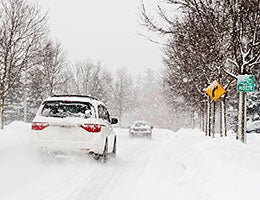
With temperatures getting dangerously low this winter, staying safe and healthy is very important. Staying indoors does not necessarily guarantee safety. Prepare your home and cars for power outages or emergencies with these tips.  Remember to also stay safe while participating in outdoor activities.

Prepare your home:

One of the most important things to do is to check your heating systems. Although many of us live in apartments and complexes maintained by a land lord, we should take initiative for our safety.
      ·          Check your Carbon Monoxide (CO) detector for working batteries. This detector
                will alert you when the deadly, odorless, colorless gas is present.
         o   Symptoms of CO poisoning: headaches, nausea and disorientation.
·         Check or ask when the last time your heating system was checked. You want to make sure it is clean, working properly, and ventilating to the outside.
·         Check your smoke detector. Batteries should be tested monthly.
·         Have a safe alternate heating source and fuels available.

Be prepared to check on family and neighbors that may be at risk from cold weather hazards. Examples are young children, older adults, and the chronically ill. Bring your pets indoors if you can’t ensure they have a warm outdoor shelter and drinking water that won’t freeze. Although pets grow a winter coat, it may not be sufficient during severe weather conditions to keep them warm.

Prepare your car:

Make sure you have the right tools in case of an emergency; whether you are traveling far or just a short distance from home, being prepared can make a world of a difference.

      ·         Service your car regularly. Make sure you check your radiator, maintain antifreeze
              levels, check tire tread and replace tires if needed with all-weather/snow tires.
      ·         Keep your gas tank full to avoid ice in the fuel lines and tank.
      ·         Use the wintertime windshield washer formula.
      ·         Organize a winter emergency kit to keep in your trunk at all times in case you
               become stranded. Include:

         o   Blankets
         o   Food and Water
         o   Booster cables, flares, tire pump, and a bag of sand or cat litter
                             (for traction)
         o   Compass and maps
         o   Flashlight, battery-powered radio, and extra batteries
         o   First-aid kit
         o   Plastic bags (for sanitation)

If you are planning on traveling by car, be sure to check the weather forecast and road conditions throughout your trip.

  •   Avoid traveling during weather advisories.
  •   Inform friends and family of the route you are planning to take and your expected time of arrival.
  •  If you become stranded:
        o   Stay in your car unless safety is less than 100yards away
                           (the length of a swimming pool) but continue to move your arms and legs.

o   Put a bright cloth on your antenna to stay visible to other travelers.

§  You can also turn on the overhead light (when the engine is running) and raise the hood of the car once the snow has stopped falling.

o   Run the engine and heat for just 10minutes at a time every hour.

o   Open a downwind window slightly open.

o   Make sure the tailpipe is not blocked.
 

Power Outages and Weather-related emergencies

Just because you are indoors doesn’t guarantee you are safe. Prepare for long stretches of power outages by doing the following:
·        Stock up on food that does not need to be cooked or refrigerated.
·        Store water in clean containers.
·        Keep your emergency kit up to date with:
o   Battery operated devices (flashlight, weather radio, and lamps)
o   Extra batteries
o   First-aid kit and extra medicine
o   Baby items
o   Cat litter or sand for icy sidewalks.

Outdoor Activities:

Spending some time outdoors during the winter months is refreshing and fun. If you are spending time doing work, traveling, or participating in sports outdoors, prepare for possible exposure to safety hazards.
      ·         Wear layers of light, warm clothing (mittens, hats, scarves, and waterproof boots)
·         Sprinkle cat litter or sand on ice patches.
·         Be aware of the wind chill factor.
·         Work slowly when doing outdoor chores.
·         Take a buddy and an emergency kit when joining in outdoor recreation.
Carry a cell phone


Related Posts

Related Posts Plugin for WordPress, Blogger...