Tuesday, November 11, 2014

The Dangers of Added Sugars

Why Moderation is Key When It Comes to Added Sugars


If you were on a diet forty years ago, chances are it was a "low-fat" diet. In the late seventies a new recommendation was made to Americans by the government to reduce their intake of fats. It was believed that fat was the cause of heart disease and other frightening health problems. Since that time, products have made available reduced, low, and non-fat options for the American consumer. Unfortunately, obesity, diabetes, and cancer rates have only risen since then; and it turns out that the culprit may be sugar.

The average American eats four to five times the recommended amount of added sugar (both table sugar and high fructose corn syrup) daily. Our foods are full of added sugar, including unsuspecting culprits such as salad dressing, tortillas, and "reduced-fat" processed foods. Unfortunately, all of this added sugar has begun to cause serious problems in the American population. A diet full of added sugar is linked to diseases like obesity, diabetes, and heart disease.

According to trials done on laboratory rats and mice, if sugar (whether it be glucose or fructose) hits the liver quickly and in high amounts, much of that sugar will be converted to fat. Repeat this process enough times and it can cause insulin resistance. You secrete insulin in response to the foods that you eat-- particularly carbohydrates. Insulin is your body's way of regulating your blood sugar levels. If you are insulin resistant, your pancreas responds to the rising blood sugar by producing extra insulin. Once your pancreas tires of creating enough insulin to combat blood sugar levels, your blood sugar rises out of control. This results in type 2 diabetes.

The problem with producing extra insulin, besides the fact that it can lead to diabetes, is that it is remarkably linked with other health problems like fatty liver and cancer (even in lean individuals). In fact, you are more likely to get cancer if you're obese or diabetic than if you're not. Excess amounts of sugar, the consumption of which is not uncommon among Americans, can potentially cause these life-threatening diseases.


What You Can Do to Cut Down on Sugar

Stop the Pop


A study reported at the annual American Heart Association (AHA) meeting in 2013 found that 180,000 annual deaths are attributed worldwide to sugary beverages. Soda is the only thing (food or beverage) that has been directly linked with obesity. Drinking liquid sugar is harmful to the body, especially when consumed daily or even multiple times per day as is the case with many Americans. Given the vast amount of research that has discovered the negative effects of soda on the health of an individual, most would agree that there is no excuse for individuals to continue their poor choices.  Kick the soda habit today.

Take Sugar Off the Table


Adding table sugar to your food simply isn't necessary, especially now that everything comes with it already. Try to cut down or stop completely the addition of sugar to foods that you eat regularly, such as coffee, cereal, oatmeal, or pancakes. If you prefer things a little sweeter, use fruit! It is full of natural sugars that still provide taste, along with much needed nutrients and fiber. Just be sure that it is fresh, frozen, or canned in water or natural juices.

Check the Label


Here is a list of names that simply mean "added sugar": agave nectar, barley malt, beet sugar, blackstrap molasses, brown rice syrup, rice syrup, rice malt, brown sugar, buttered sugar, buttercream, cane juice crystals, cane juice, cane sugar, caramel, carob syrup, caster sugar, superfine sugar, coconut sugar, corn sweetener, corn syrup, corn syrup solids, crystalline fructose, date sugar, demerara sugar, dextran, diastatic malt powder, diastase, ethyl maltol, evaporated cane juice, fructose, fruit juice concentrates, galactose, glucose, golden sugar, golden syrup, refiner's syrup, high fructose corn syrup, honey, inverted sugar, malt syrup, maltodextrin, maltose, maple syrup, molasses syrup, muscovado sugar, organic raw sugar, oat syrup, avena sativa, panela, ponacha, confectioner's sugar, powdered sugar, icing sugar, rice bran syrup, sorghum syrup, table sugar, sucrose, syrup, treacle, tapioca syrup, turbinado sugar, raw sugar, yellow sugar, sugar

It is important to be educated on the different ways that companies sneak added sugars into their products. Read the labels on all of the food products you buy to be sure that they don't contain unnecessary added sugars. Better yet, buy foods without labels, such as fresh produce!

Portion Distortion


Obviously it is unrealistic to cut every gram of added sugar out of your life forever. There will be the occasional treat. But they should be just that: occasional. And when you do splurge, try and keep it to a few bites. Researchers at Stanford have found that the first few bites hold the most pleasure anyway. Split your dessert with a friend, or only make half the recipe.

Spice Things Up a Bit


Sugar is often added to make things more palatable, but there are plenty of other ways to make things taste better without the added calories and blood sugar spikes! Herbs like cinnamon, nutmeg, and ginger will add flavor without guilt. You can also use extracts-- vanilla, almond, orange, peppermint, and lemon extracts are all great options for added taste.


Sources:

http://www.health.harvard.edu/newsletters/Harvard_Womens_Health_Watch/2013/July/how-to-break-the-sugar-habit-and-help-your-health-in-the-process
http://www.rodalenews.com/files/images/slideshow2/sugar-spoon-pour.jpg
http://www.nytimes.com/2011/04/17/magazine/mag-17Sugar-t.html?pagewanted=all&_r=0
http://static.ijreview.com/wp-content/uploads/2014/08/Soda-Pop.jpg
http://lowfatveganchef.com/blog/wp-content/uploads/2013/01/sugar-plate.jpg
http://radioactivefitness.com/wp-content/uploads/2014/05/ingredients_0.jpg
https://neuroscience.stanford.edu/news/researchers-you-will-take-more-pleasure-moderation-overindulgence
http://www.prevention.com/food/healthy-eating-tips/57-names-sugar?s=58
http://amyhagerup.com/wp-content/uploads/2011/07/huge-icecream.jpg
http://www.heart.org/HEARTORG/GettingHealthy/NutritionCenter/HealthyEating/Tips-for-Cutting-Down-on-Sugar_UCM_461811_Article.jsp

Tuesday, October 28, 2014

Skinny Fat

Why You Should Still Care About Your Health, Even if You're "Thin"


So your weight is within the normal BMI (Body Mass Index) range, and you fit into your size small or medium clothes just fine. Why do you need to worry about nutrition or exercise if you seem to feel and look "healthy?" It turns out, that even though an individual has a normal weight and size, a poor diet can cause them to have unseen health problems. Failure to maintain a healthy diet and exercise plan allows your body to assume the state of being “skinny fat.”

Let's Talk About Fat


Eating a diet consisting of high sugar content, processed foods, and solid fats leads to the storage of what is called visceral fat. Visceral fat is the fat that is stored in your abdomen in between your organs. There are two main kinds of fat: subcutaneous fat and visceral fat. Subcutaneous fat is the kind that is stored just beneath the skin. It can be found in your stomach, arms, neck, and even the soles of your feet. This kind of fat is healthy and essential in moderate amounts. Too much can lead to overweight and obesity, which come with a host of problems. However, the hidden killer is visceral fat.

Visceral fat wraps around your inner organs-- the heart, liver, lungs, and other major organs. Carrying excess amounts of visceral fat can be one of the symptoms of metabolic syndrome. This disease provides a host of other symptoms such as high blood pressure, high cholesterol, and elevated insulin levels.  Having visceral fat has also been linked to stroke, heart disease, diabetes, breast cancer, and dementia, among other adverse health conditions.

The problem with visceral fat is that it can be hiding even in relatively thin people. This means that even those who think they're safe and attribute genetics to their physique are not safe from the negative effects of a poor diet. Weight is simple a clue that doctors look for to indicate the state of an individual's health. However, it’s not the be-all-end-all diagnosis. In fact, when a thin person is diagnosed with diabetes they have twice the risk of death compared to that of an overweight person diagnosed with the same disease.

Look at it this way: some cars show their age and you can tell how old it is by the exterior. However, some cars look to be in deceivingly good condition-- until you check under the hood.

What To Do


Whether you feel you need to lose a few pounds or you haven't ever thought you needed to worry about your weight, everyone should strive to eat better and exercise. Eat a diet full of a variety of fruits and vegetables. They should take up half your plate or more. Cut down on added sugars such as soda pop and sugary treats, and choose lean protein instead of bacon or red meat. Avoid processed foods (most things in a package) as much as possible, as these can contain significant amounts of added sugars and extra fat. Additionally, it is important to have whole grains in your diet. This includes whole wheat bread, brown rice, whole wheat pasta, oatmeal, and quinoa.
 Try to find ways to be more active that you enjoy. If you hate working out, do Zumba or play a game of soccer with your friends/family. The recommended guideline for the average person is to do 150 minutes a week of moderate activity (rule of thumb: you can still talk while you're doing the activity, but not carry on a conversation easily). Incorporate resistance training into your life (lifting, pushing, and carrying heavy things). This will add to your muscle stores so that you have the strength to do your daily tasks well into your old age, as well as increasing your resting metabolism so that you burn more calories at rest.

All of these tips will help prevent you from developing problems down the road from fat you didn't even know you were accumulating. If you're concerned you might be "skinny fat," have your provider test your blood sugar, blood pressure, triglycerides, and blood cholesterol levels. These results will give a good basic picture of your current state of health.


Sources:

http://www.womenfitness.net/wfimgank8/emo_wt_loss.jpg
http://www.prevention.com/weight-loss/flat-belly-diet/flat-belly-diet-subcutaneous-and-visceral-belly-fat
http://time.com/14407/the-hidden-dangers-of-skinny-fat/
http://www.huffingtonpost.com/dr-mark-hyman/skinny-fat_b_1799797.html
http://www.weightlossforall.com/wp-content/uploads/2010/08/visceral-fat.jpg
http://elanperformance.com/wp-content/uploads/2013/06/healthy-habits.jpg

Thursday, October 23, 2014

10 Delicious Fruits and Vegetables You've Probably Never Heard Of

Ten Fruits and Vegetables You've Never Heard Of

1. Horned Melon (African Cucumber/Kiwano)


Native to Africa, these horned melons have been compared to the taste of cucumber, zucchini, banana, and lemon. They are now grown in California, New Zealand, Chile, and Australia. It can be eaten at any stage of ripening. Some even eat the peel, which is rich in vitamin C and dietary fiber.

2. Cherimoya


Thought to be native to the Andes, this interesting fruit is now grown throughout South Asia, Central America, South America, Southern California and more. The flesh of the fruit is soft, sweet, and white with a sorbet-like texture. Mark Twain once said that the cherimoya was "the most delicious fruit known to men." Because of its taste and texture, it has also been nicknamed the custard apple.

3. Soursop (Guanabana/Brazilian Pawpaw)


This fruit is native to Cuba, Mexico, Central America, and the Caribbean, and is a cousin to the cherimoya. Its fruit has been described as the cross between pineapple and strawberry. However, the seeds make it difficult to eat the flesh. The pulp is also used to make fruit nectar, smoothies, fruit juice drinks, and other treats. Some even claim it can be used to treat cancer, although there is no scientific evidence to support this idea. 

4. Jicama


Native to Mexico, jicama is a root vegetable that has a crisp white flesh. The flavor is sweet and starchy, similar to a mild apple. It is a great source of potassium and vitamin C, and can be eaten raw by itself, on salads, or paired with other seasonings.

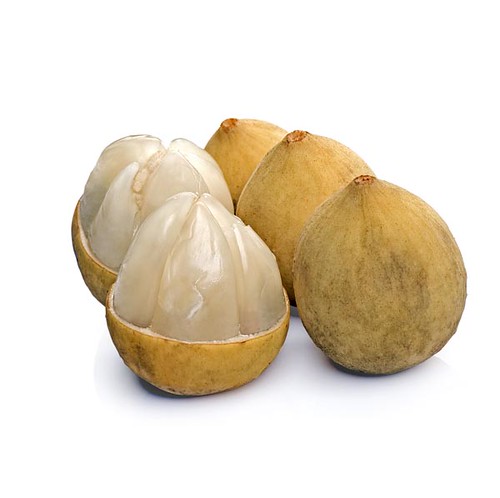
5. Langsat


Not the most attractive of fruit, the langsat is actually produced by a tree in the mahogany family. The plant originates in Southeast Asia, and bears small fruit that look a little bit like a cluster of tiny potatoes. The seeds of the fruit are covered in a clear-white flesh that have a sweet and sour taste, almost like a cross between a grape and a grapefruit.

6.  Lychee


Lychee is from China but is now popular in many parts of the world. The skin is tough and inedible, but the fruit inside is clear, juicy, and sweet. Interestingly, in the 1st century fresh lychees were in such demand in the Imperial Court in China that a special brigade of fast horses was assigned to retrieve them regularly from Guangdong.

7. Purple Mangosteen


Mangosteen is native to Indonesia and is about the size of a tangerine. The rind is tough and inedible, but the fruit inside is similar to a citrus fruit, and is white and fibrous. The flavor is sweet, tangy, and juicy.

8. Romanesco Broccoli


Romanesco is so similar to cauliflower that it can be substituted in most recipes. The taste is comparable, but romanesco is described as being delicate and nutty in flavor. The big differences are in the  appearance and in the texture. Romanesco broccoli is much crunchier than cauliflower.

9. Sapodilla


Sapodilla is native to southern Mexico, the Caribbean, and Central America. The flesh ranges from pale yellow to an earthy brown, and has a grainy texture like a ripe pear. The taste when ripe is malty and exceptionally sweet, being compared to candy.

10. Starfruit (Carambola)


This fun-shaped fruit is native to the Philippines, Sri Lanka, Malaysia, and other places. It can be eaten whole ripe or unripe. The riper the fruit, the sweeter it is. It has a waxy skin with a flesh that is comparable to a plum or citrus fruit. The taste can be compared to a cross between an apple and a grape. Starfruit is also rich in antioxidants, potassium, and vitamin C.


Sources:

http://en.wikipedia.org/wiki/Cucumis_metuliferus
http://www.womansday.com/cm/womansday/images/AZ/03-African-Cucumber.jpg
http://www.delish.com/food-fun/exotic-fruits-vegetables#slide-1
http://sigonas.files.wordpress.com/2011/04/cherimoya_group_white.jpg
http://en.wikipedia.org/wiki/Cherimoya
http://en.wikipedia.org/wiki/Soursop
http://upload.wikimedia.org/wikipedia/commons/a/a3/Soursop,_Annona_muricata.jpg
http://en.wikipedia.org/wiki/Pachyrhizus_erosus
http://nutsaboutfruit.files.wordpress.com/2010/03/jicamasm.jpg
http://en.wikipedia.org/wiki/Lansium_parasiticum
http://greenyatrablog.com/wp-content/uploads/2014/02/5-Home-Remedies-For-Moisturizing-The-Skin21.jpg
http://en.wikipedia.org/wiki/Lychee
http://en.wikipedia.org/wiki/Purple_mangosteen
https://www.buyfruit.com.au/images/P/Mangosteen__13365.jpg
http://www.marxfoods.com/core/media/media.nl?id=9658&c=659425&h=81bfb3a2bccb3a2cffde
http://en.wikipedia.org/wiki/Romanesco_broccoli
http://en.wikipedia.org/wiki/Manilkara_zapota
http://en.wikipedia.org/wiki/Carambola

Tuesday, October 14, 2014

Why You Should Wash Your Produce

3 Reasons You Should Wash Your Produce


We've all taken a bite out of that shiny apple, thinking it was probably clean enough without washing. However, there are a few reasons why you should think twice before chomping down on some unwashed produce. Here are three reasons why you should wash your produce before eating it:

1. Pesticides


Eating certain fruits and vegetables can expose you to up to 14 different pesticides per day on average. Prolonged exposure to pesticides can lead to chronic health problems, and children are especially susceptible. Limiting your family's exposure by washing your produce thoroughly can reduce the risk of damaging your health.

2. Food Borne Illnesses


There are all kinds of food borne illnesses that we can protract from our food. It doesn't just have to be raw chicken to house bacteria. You should always be cautious before putting food in your mouth. With salmonella, staphyloccocus aureus, and E. coli out there to take our bodies by storm, it's important to practice proper food hygiene.

3. Dirt!


It may go without saying, but our produce is dirty! Have you ever opened up a head of lettuce to find dirt, gravel, and even dead bugs inbetween the leaves? A lot of our produce comes from the ground, and the ground is dirty. This means that the fruits and vegetables that we eat that come with a layer of dust, mud, or whatever else they were pulled up with (including insects). If you have a problem with eating dirt and bugs, it is probably a good idea to wash your produce.

The Proper Way to Wash Your Produce (from FDA.gov):

"Wash all produce thoroughly under running water before eating, cutting or cooking. This includes produce grown conventionally or organically at home, or purchased from a grocery store or farmer's market. Washing fruits and vegetables with soap or detergent or using commercial produce washes is not recommended. Scrub firm produce, such as melons and cucumbers, with a clean produce brush. Dry produce with a clean cloth towel or paper towel to further reduce bacteria that may be present."


Sources:

http://www.livhealthy.tv/articles.php?action=view&articleID=Why_You_Should_Wash_Your_Fruits_and_Vegetables
http://s.doctoroz.com/styles/720x480/s3/sites/default/files/media/image_thumb/tomato-wash-sink-720.jpg?itok=dcTCiA9v
http://www.toxicsaction.org/problems-and-solutions/pesticides
http://www.growswitch.com/blog/wp-content/uploads/pesticides.jpg
http://www.goodhousekeeping.com/cm/goodhousekeeping/images/removing-skin-from-raw-chicken-1-ghv-325-62348184.jpg
https://blogger.googleusercontent.com/img/b/R29vZ2xl/AVvXsEgEpY0hZ7Byrh1_XxMg7Rtn5pztmBXMXoseINJu6NJB1nA-1KgWSney7wP_YViLcCuPFipBMdgvV7coivZEH5DKLuscErZ4aVqpNck4cvsOrQE_KHx7pChDTBoNgPfqrnlggfi-82KNpOY/s1600/dirty+potatoes.jpg

Related Posts

Related Posts Plugin for WordPress, Blogger...